Define your feral pig problem and assess the impacts

An effective plan starts with identifying:

  • the actual (not perceived) problem
  • who is affected and who else is involved
  • the extent of the problem and impact/s it is having.

Defining the problem can be difficult and time consuming however it is essential to know exactly what the plan is seeking to address so that appropriate management can be carried out efficiently and effectively. If the problem is not correctly defined, then all the planning that follows is likely to be distorted or at best, off track.

What is the problem?

A pest management plan should focus on  minimising the damage being caused by pest animals, not the  number of pests present in the area. The problem needs to be  described in terms of the negative impacts that pest animals are  having on people, livestock, crops, wildlife, habitat or other assets in  a given area, eg lambing rates are down by 40% due to predation by
wild dogs. It is not always easy to determine the level of damage so  estimates of pest density might be the only useful guide to the likely level of pest damage.

Who is affected?

Identify and involve all the key stakeholders from the beginning of the planning process. Stakeholders might include:

  • affected landholders
  • land, water and pest management government agencies
  • contractors (eg trappers)
  • community groups in the area (eg Landcare).

Involving people in the development of a pest plan ensures that it is relevant and practical, and also helps to give them ownership of the  plan and its recommendations. By working together to define the  problem, the group will be better prepared to discuss ways they can  manage the problem cooperatively.

Where is the problem?

Pest animals typically live and/or move across  the landscape where they can access suitable food and habitat.  Maps are therefore an essential planning tool for effective pest  management. Using a range of local and regional-scale maps with  and without tenure, topography and other jurisdictional or social boundaries (eg local government area, bushfire groups), the group  should mark out the areas where pest animals are causing damage  (eg stock loss, pig rooting sites) and and their likely travel paths or  breeding sites. This step can help to determine priority areas for  management actions, and aid delegation of who does what and who pays.

View case study videos

For more best practice management information about managing feral pigs, see these case study videos produced by the Conservation Ecology Centre in Victoria’s Otway Ranges.

Find content including best practice management tips, how to spot the signs of feral pig activity, working with diverse stakeholders and land managers and navigating complex landscapes.

4 videos found
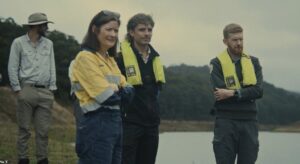
Navigating complex landscapes: multi-agency feral pig control across land tenure
02:09
Navigating complex landscapes: multi-agency feral pig control across land tenure
4 views
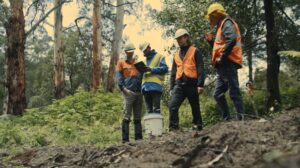
Unexpected conservation partners: tackling feral pigs together with forestry
02:04
Unexpected conservation partners: tackling feral pigs together with forestry
3 views
Conservation in Agriculture: protecting pasture and nature from feral pigs
02:01
Conservation in Agriculture: protecting pasture and nature from feral pigs
1 views
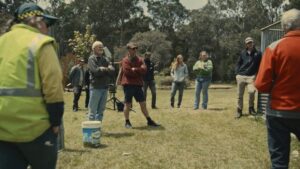
Best practice feral pig management in the Otways
03:26
Best practice feral pig management in the Otways
1 views

These videos were produced with support from Agriculture Victoria and The Ian Potter Foundation.